


Why Airway Issues Are About More Than Breathing
Mouth breathing and airway issues are about more than the airway itself. Discover how cranial development, nervous system stress, tongue posture, and breathing patterns shape childhood development.

Why Kids Today Are Struggling More Than Ever
More kids than ever are struggling with focus, sleep, digestion, and emotional regulation. This isn’t just behavior - it’s a nervous system under stress. Learn what changed and what families are missing.

The Pregnancy Hack No One Talks About
Most moms focus on birth plans, but the real key to pregnancy and delivery lies in your nervous system. Learn how internal communication shapes your entire experience.

Why Some Kids Seem Clumsy, Overwhelmed, or Uncoordinated
Some children struggle with coordination, balance, or feeling comfortable in their body. What many parents don’t realize is that these challenges are often rooted in the nervous system. Discover how proprioception, movement quality, and brain development are deeply connected.

Burnout in Moms and Dysregulated Homes
Burnout in moms isn’t a sign of weakness. It’s often a sign that your nervous system has been stuck in a constant state of “on” for far too long. When you’re carrying the mental load of parenting, ongoing stress, and a home that never fully settles, true recovery can feel out of reach. What if the issue isn’t your patience, routines, or effort but a nervous system that never gets the chance to turn off?

When Healing Looks Like Regression
It can feel discouraging when your child seems to lose progress after making gains. But what if regression is actually part of healing? This article explains how growth, development, and immune challenges impact the nervous system and why progress often comes in waves.

The “Good Kid” Who Falls Apart at Home
Many children seem calm and well-behaved at school but fall apart at home. This is not a behavior problem. It is a nervous system capacity issue. Learn what is really happening and how to support your child.
Autism Is Not a Behavior Problem. It Is a Nervous System Conversation.
Autism is often viewed as a behavior challenge, but many families discover the deeper story lies within the nervous system. Understanding regulation, sensory processing, and brain-body communication can change how parents support their children.

Screens, Dopamine, and the Nervous System
Many parents notice emotional spikes, sleep struggles, and difficult transitions after screen time. The issue may not be behavior. It may be the nervous system. Discover how dopamine, stimulation, and neurological regulation influence how the brain responds to screens.

When Your Body Finally Feels Safe Again
Many adults first seek chiropractic care because something hurts. But pain is often just the surface signal of a nervous system that has been stuck in protection for too long. In this article, we explore how neurological chiropractic adjustments help the brain recognize safety again, allowing the body to release tension, restore balance, and heal from the inside out.

Why Some Athletes Perform Better and Stay in the Game Longer
Two athletes can train the same way yet perform very differently. The difference often lies in the nervous system. Learn how neurological chiropractic care supports speed, coordination, recovery, and long-term athletic performance.

Why Crawling Matters More Than Most People Realize
Crawling isn’t just about movement. It shapes how the brain communicates, how the spine develops, and how children regulate their bodies. Discover why crawling is a critical neurological foundation and how families can support development even if crawling was missed.

Puberty, Hormones, and Nervous System Stress
Parents often hear that emotional changes during adolescence are “just hormones.” In reality, puberty is a massive neurological shift that affects how the brain regulates sleep, emotions, and stress. Discover how the nervous system influences this transition and why supporting regulation can make adolescence more manageable for the whole family.
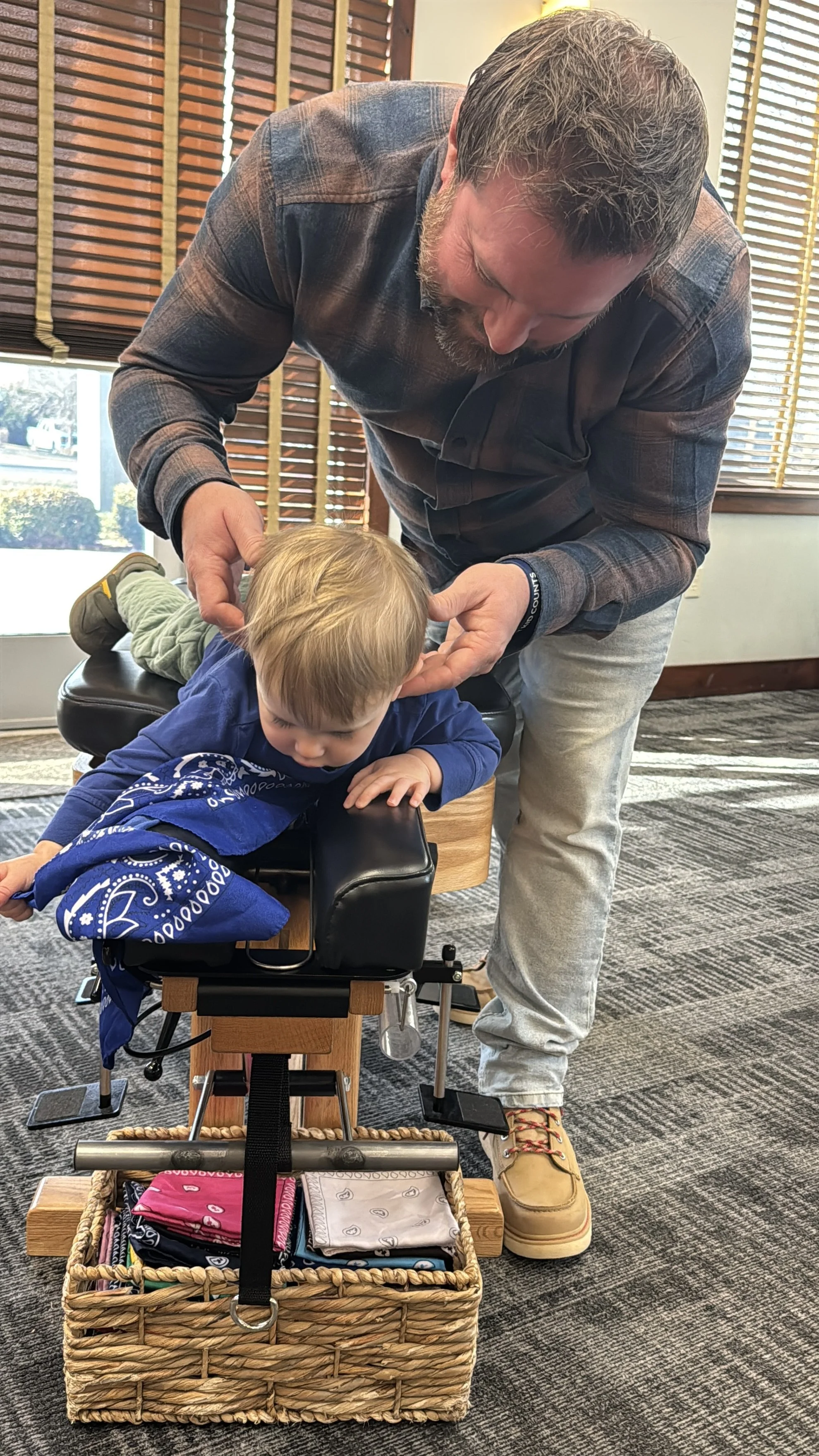
Constipation, Tummy Aches & Tantrums: Why the Gut Shapes Mood and Regulation
Constipation and tummy aches often trigger emotional overwhelm because the gut communicates directly with the brain. This article explains how internal stress affects behavior and regulation, how our scans measure gut–brain tension, and how chiropractic helps the body reconnect and heal.
How and Why the Body Heals Itself
Healing isn’t something that comes from the outside. It is built into the design of your nervous system. Learn how stress interferes, how chiropractic restores connection, and why people of all ages heal when their nervous system is finally able to do what it was created to do.

The Chiropractic Story You Were Never Told
Chiropractic didn’t grow quietly. It survived arrests, opposition from the AMA, pandemics, and decades of misinformation. Learn the real story behind the profession’s origins and why every adjustment today continues a legacy built on courage and truth.
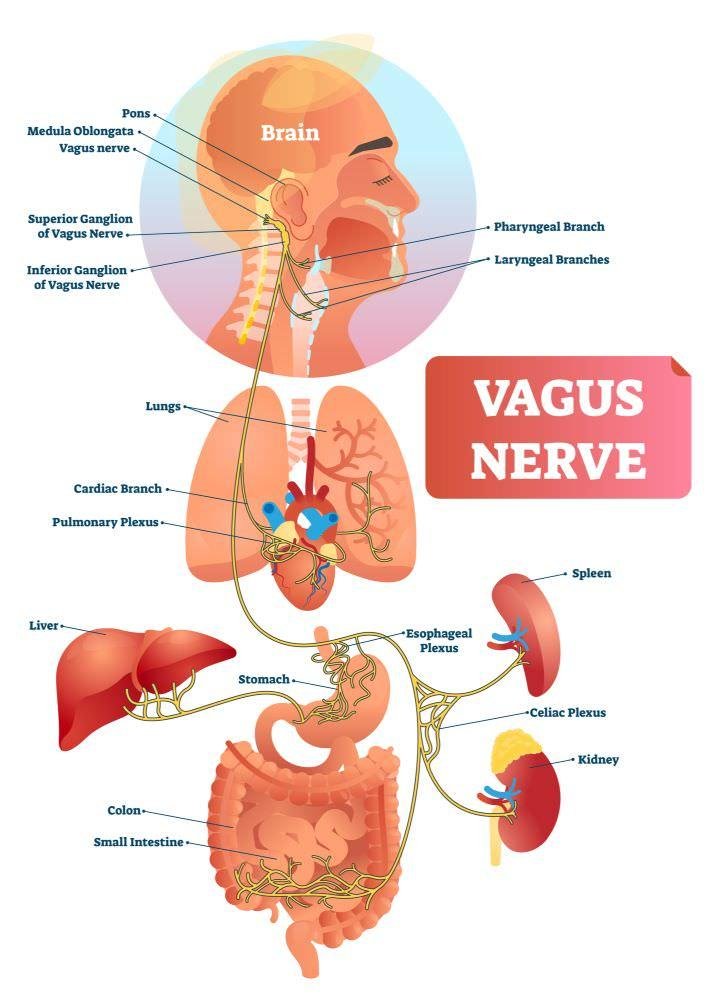
The Vagus Nerve: The Body’s Calm Pathway You Can Strengthen Naturally
When calm feels impossible, the vagus nerve is usually overwhelmed. This article explains where the vagus nerve lives, how it develops, why tone matters, how modern stress affects it, and how HRV scans and neurological chiropractic care restore the body’s ability to settle, digest, sleep, and regulate.

The C-Section Factor: How Birth Shapes Early Regulation and Milestones
A C-section birth changes the way a baby’s nervous system experiences its first moments, often influencing regulation, digestion, sleep, and early milestones. This article explains how C-sections shape the developing brain and body and why supporting the nervous system helps babies and older children thrive.

Why Your Brain Struggles With Change — And How Regulation Makes New Habits Possible
Meltdowns feel sudden, but they’re not. They happen when the brain shifts out of regulation and into overwhelm. This article explains what’s really happening in the moments before a meltdown, why logic doesn’t work in the moment, and how supporting the nervous system helps children stay calmer, more flexible, and more connected.

What Happens in the Brain Right Before a Meltdown
Change doesn’t happen through willpower alone. It happens when the nervous system has the capacity to adapt. This article explains why new habits often fall apart in January, how regulation shifts the brain’s ability to follow through, and how chiropractic supports sustainable change all year long.